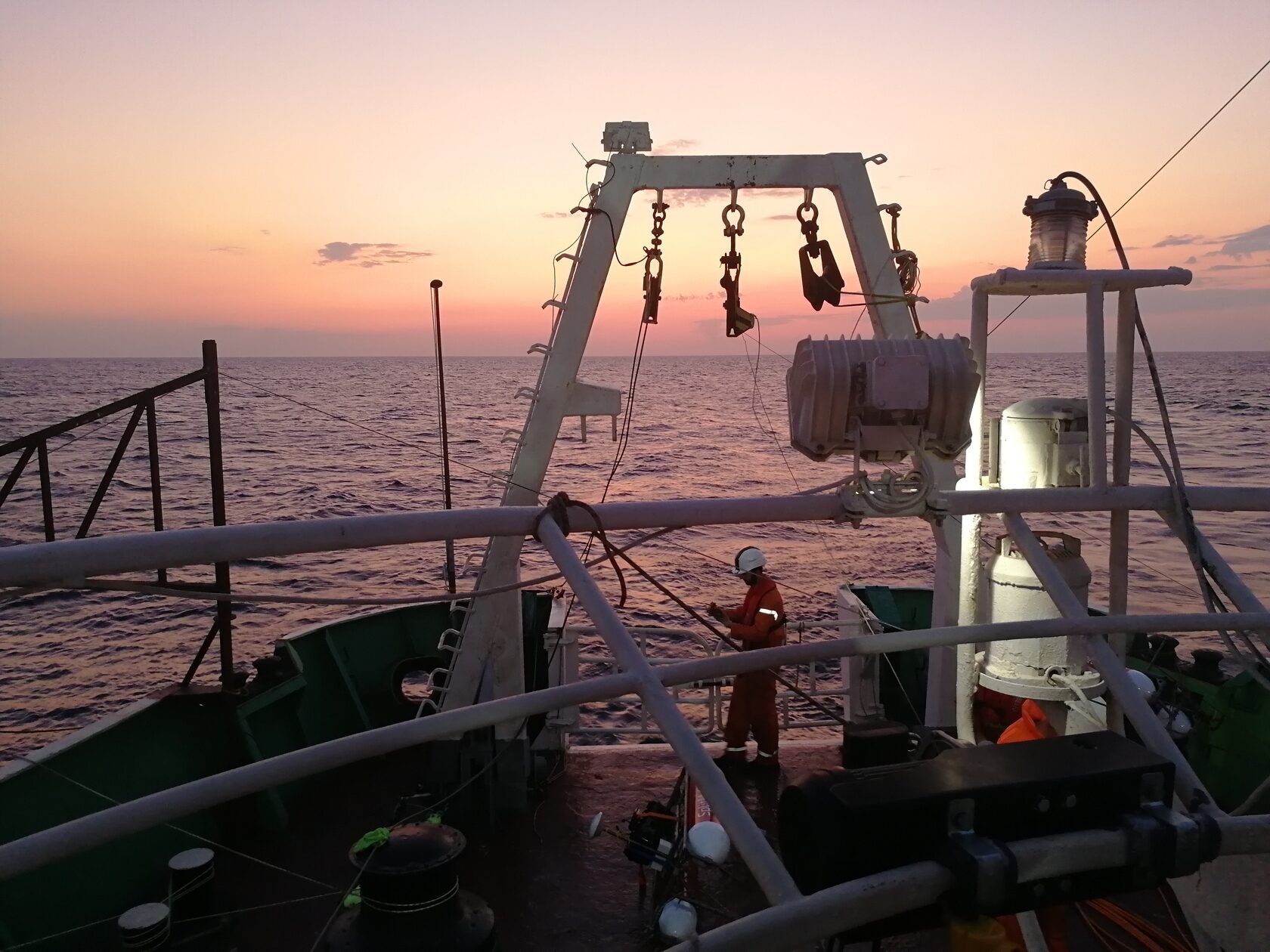
The seafloor, which may appear static and predictable, is in reality a dynamic and complex geological environment. Beneath layers of sediment lie various anomalies that can pose serious hazards to marine engineering, drilling operations, pipeline and cable installation, as well as the overall safety of offshore activities. Understanding their nature and distribution is a key factor in minimizing risks during continental shelf development. Below are some examples of geological hazards found on the shelf.
Gas-Charged Sediments
One of the most common and insidious threats consists of gas-charged sediments and gas accumulations (“gas pockets”). These anomalies, often filled with methane, distort seismic signals and complicate data interpretation. When drilling penetrates such a pocket - especially one exhibiting abnormally high formation pressure (AHFP) - a sudden fluid release may occur. The consequences range from loss of platform foundation stability and the formation of seabed craters to catastrophic structural failure and large-scale environmental contamination. In cold-climate or deep-water regions, gas hydrate zones are particularly dangerous; their destabilization can also cause gas releases and loss of soil bearing capacity.
Paleochannels
Another high-risk category includes ancient landforms such as paleovalleys (buried riverbeds) and paleochannels. Filled with poorly consolidated and heterogeneous sediments, they create risks of differential settlement of heavy structures, reduced bearing capacity of piles, and complications during drilling. Equally hazardous are buried landslide deposits, which indicate past slope instability. Under certain conditions - such as seismic activity or human-induced disturbances - these processes may reactivate, threatening seabed infrastructure.
Submarine Landslides
Slopes of underwater highs and shelf edges are prone to landslides. Massive sediment bodies may begin to move due to earthquakes, storms, or human intervention (drilling, anchoring). Landslides have devastating impacts: they break submarine cables and pipelines, destroy seabed installations, and, when large enough, can trigger destructive tsunamis. Mapping areas of potential slope instability is therefore essential when selecting routes and equipment installation sites.
Glacial Boulders and Boulder Fields
In regions once affected by glaciation, hidden threats come in the form of boulders and stone fields covered by a thin sediment layer. These glacial deposits can severely damage drilling tools, hinder pile driving, and cause deviations from the planned construction route.
Diapirs and Mud Volcanoes
Diapiric structures and mud volcanoes also require special attention. These are positive relief forms created by the upward movement of plastic rocks (such as clays) through denser layers. They not only obscure the true geological structure but often serve as pathways for fluid and gas migration, creating discharge zones on the seafloor. Their activity can result in sudden expulsions, seafloor deformation, and loss of stability for engineering structures.
Faults and Seismicity
Active tectonic faults and regional seismicity must not be underestimated. Earthquakes can directly damage installations and also trigger a cascade of secondary processes: soil liquefaction, tsunamis, reactivation of landslides and collapses - greatly magnifying overall risk.
Why It Matters
Ignoring geological hazards during offshore design and construction can lead to enormous financial losses, project delays, threats to human life, and large-scale environmental incidents. Each anomaly type requires specific detection methods. Modern geophysical tools - including high-resolution seismic surveys, multibeam echosounders, side-scan sonar, and underwater video inspection - enable the identification and mapping of these hidden dangers. Only a comprehensive study of the geological environment allows the development of effective risk-mitigation measures and ensures safe, reliable offshore infrastructure operations.
Gas-Charged Sediments
One of the most common and insidious threats consists of gas-charged sediments and gas accumulations (“gas pockets”). These anomalies, often filled with methane, distort seismic signals and complicate data interpretation. When drilling penetrates such a pocket - especially one exhibiting abnormally high formation pressure (AHFP) - a sudden fluid release may occur. The consequences range from loss of platform foundation stability and the formation of seabed craters to catastrophic structural failure and large-scale environmental contamination. In cold-climate or deep-water regions, gas hydrate zones are particularly dangerous; their destabilization can also cause gas releases and loss of soil bearing capacity.
Paleochannels
Another high-risk category includes ancient landforms such as paleovalleys (buried riverbeds) and paleochannels. Filled with poorly consolidated and heterogeneous sediments, they create risks of differential settlement of heavy structures, reduced bearing capacity of piles, and complications during drilling. Equally hazardous are buried landslide deposits, which indicate past slope instability. Under certain conditions - such as seismic activity or human-induced disturbances - these processes may reactivate, threatening seabed infrastructure.
Submarine Landslides
Slopes of underwater highs and shelf edges are prone to landslides. Massive sediment bodies may begin to move due to earthquakes, storms, or human intervention (drilling, anchoring). Landslides have devastating impacts: they break submarine cables and pipelines, destroy seabed installations, and, when large enough, can trigger destructive tsunamis. Mapping areas of potential slope instability is therefore essential when selecting routes and equipment installation sites.
Glacial Boulders and Boulder Fields
In regions once affected by glaciation, hidden threats come in the form of boulders and stone fields covered by a thin sediment layer. These glacial deposits can severely damage drilling tools, hinder pile driving, and cause deviations from the planned construction route.
Diapirs and Mud Volcanoes
Diapiric structures and mud volcanoes also require special attention. These are positive relief forms created by the upward movement of plastic rocks (such as clays) through denser layers. They not only obscure the true geological structure but often serve as pathways for fluid and gas migration, creating discharge zones on the seafloor. Their activity can result in sudden expulsions, seafloor deformation, and loss of stability for engineering structures.
Faults and Seismicity
Active tectonic faults and regional seismicity must not be underestimated. Earthquakes can directly damage installations and also trigger a cascade of secondary processes: soil liquefaction, tsunamis, reactivation of landslides and collapses - greatly magnifying overall risk.
Why It Matters
Ignoring geological hazards during offshore design and construction can lead to enormous financial losses, project delays, threats to human life, and large-scale environmental incidents. Each anomaly type requires specific detection methods. Modern geophysical tools - including high-resolution seismic surveys, multibeam echosounders, side-scan sonar, and underwater video inspection - enable the identification and mapping of these hidden dangers. Only a comprehensive study of the geological environment allows the development of effective risk-mitigation measures and ensures safe, reliable offshore infrastructure operations.